


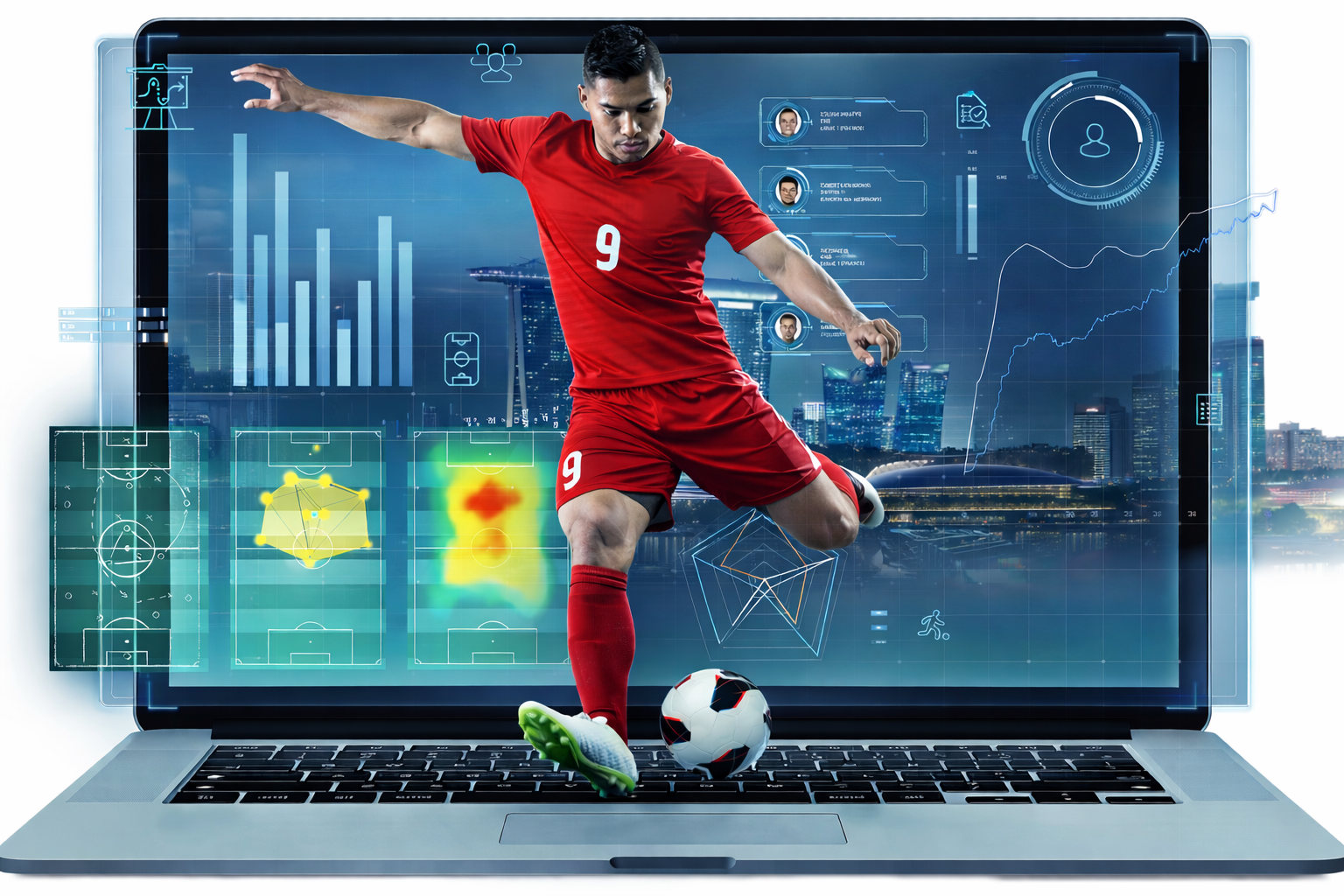
A match starts. Odds shift within seconds. One injury update quietly changes the balance.
Keeping track of all this manually used to take time. Now it takes structure. That is where AI fits in.
The role of AI in betting is often misunderstood. It does not predict outcomes with certainty. It organizes information faster than a human can. That difference matters more than accuracy alone.
Even outside sports, digital environments already run on similar logic. Games like baccarat operate inside systems where timing, probability, and pace define the experience. Sports betting follows the same principle. The better the structure behind the decision, the cleaner the result — even if the outcome itself remains uncertain.
Why AI actually helps in betting
The advantage is not intelligence. It is coverage.
A single match carries more variables than it seems at first glance. Team form is only one layer. Lineups, injuries, travel fatigue, motivation, tactical matchups, and even weather all interact. No bettor can process all of that consistently under time pressure.
AI reduces that load. It highlights what matters and ignores what does not.
The key use case is finding value. Not predicting who wins, but identifying where the odds do not match the real probability. That difference is where decisions become interesting.
Choosing the right tools
Different tools solve different problems. Treating them as interchangeable usually leads to weak analysis.
Claude 4 works well when the task is complex. It handles long inputs and keeps structure across multiple variables. That makes it useful for pre-match breakdowns.
ChatGPT-5o is faster. It adapts well to live situations where speed matters more than depth. It helps compare scenarios quickly without overloading the process.
Grok 3 tends to be more direct. It is useful when clarity matters more than polish.
Perplexity Pro is not an analyst. It is a source finder. It works best for fresh information — injuries, confirmed lineups, last-minute changes.
Specialized tools fill a different role. Platforms like OddsJam or RebelBetting focus on price differences across bookmakers. They do not explain much, but they scan efficiently. For advanced users, custom models built on APIs provide more control, but also require discipline.
How to structure an AI-based analysis
The process matters more than the tool. Start with a clean setup. Identify the match, competition, and timing. Check expected lineups. Look at recent form. Add context — weather for football, surface for tennis, schedule density for basketball. Then move to the prompt. Vague requests produce vague answers. Precision improves output. Ask for:
- recent form within a fixed sample
- tactical or stylistic matchup
- probability estimates, not opinions
- comparison with bookmaker odds
- identification of potential value
A good prompt does not try to sound clever. It tries to be specific.
Reading the output without bias
A strong response is not the one that agrees with expectations. It is the one that explains itself.
The first thing to look for is probability. Not confidence. Not language. Numbers.
Then comes reasoning. What drives the estimate? Is it based on tempo, defensive structure, fatigue, or something else?
The next step is comparison. Where does the model disagree with the market? That gap is the only part that matters in practice.
Finally, clarity. If the explanation is difficult to follow, it will be difficult to trust under pressure.
Where AI works best
Football offers the richest data. Totals, cards, corners, and xG models give enough structure for meaningful analysis. AI helps organize that structure, especially when time is limited.
Tennis is more conditional. Surface, fatigue, and head-to-head patterns carry more weight than raw rankings. AI can separate those layers faster than manual analysis.
Basketball relies on pace and efficiency. Lineups change quickly, so fast processing becomes more important than deep modeling.
Esports sits somewhere in between. Data is available, but context matters more. Meta changes, roster shifts, and map pools all influence outcomes. AI helps connect those elements.
Common mistakes that reduce effectiveness
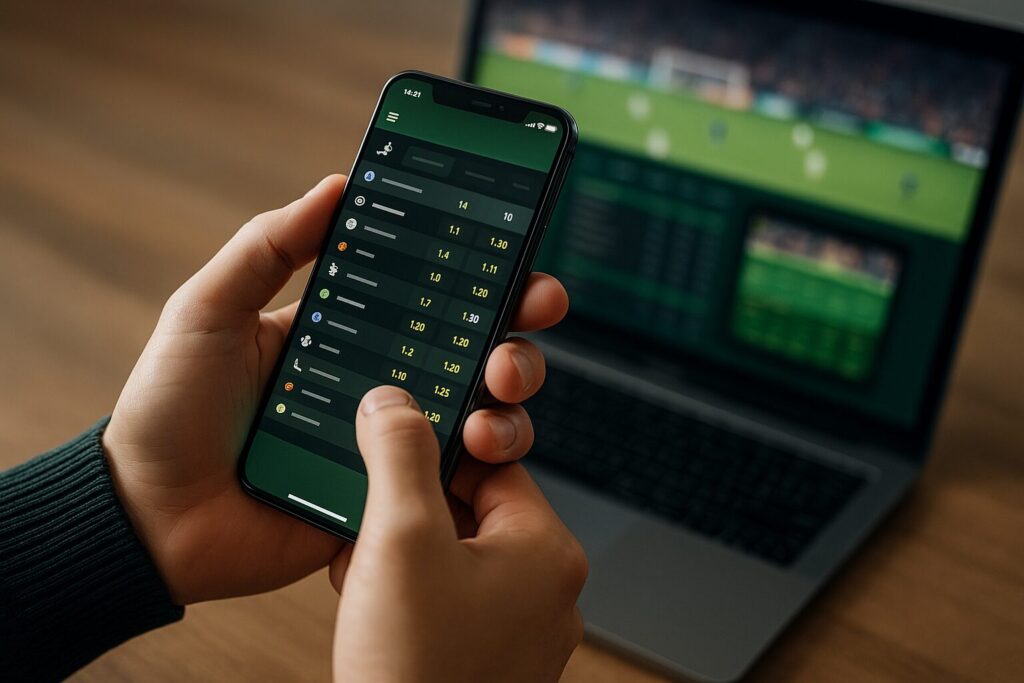
The first mistake is overtrust. A model can sound precise and still be wrong.
The second is ignoring data quality. If the input is outdated, the output loses value immediately.
The third is asking for predictions instead of structure. That turns the process into guesswork.
The fourth is relying on a single tool. Comparing outputs often reveals more than the outputs themselves.
A simple working approach
A practical setup does not need to be complex. Use one tool to gather information. Use another to structure analysis. If needed, use a third to challenge the conclusion. Then step away from the tools. The final decision should not come from the model. It should come from understanding what the model is showing. Tracking results is part of the process. Separate bets where AI supported the idea from those that did not. Over time, patterns start to appear.
What changes when AI is used properly
The biggest shift is not accuracy. It is clarity. Decisions become easier to justify. Weak assumptions are easier to spot. Market differences become more visible. This does not remove risk. It does not prevent losses. It does not eliminate emotional mistakes. But it improves the quality of the reasoning behind each action.
Where this approach leads
AI does not replace judgment. It sharpens it. The edge comes from how the tool is used, not from the tool itself. Asking better questions leads to better structure. Better structure leads to better decisions. Over time, that difference becomes noticeable. Not in every result, but in the overall direction. That is where AI starts to matter.









Discussion about this post