

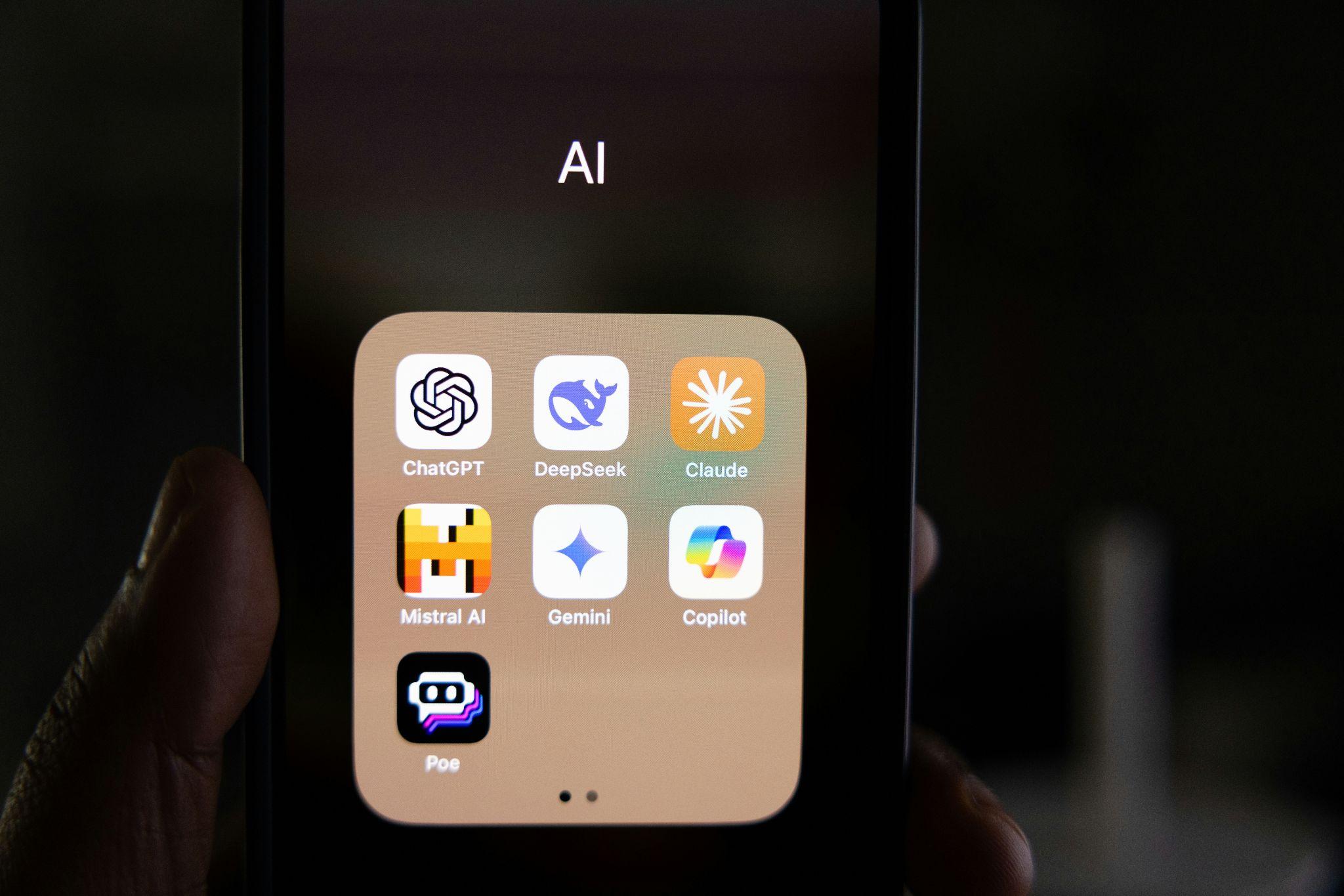
Artificial intelligence has moved far beyond simple chatbots and text generation. Nowadays, AI tools are becoming increasingly conversational and responsive, and are being integrated into our daily lives. One of the most significant developments in this area is Gemini Live, a feature designed to make human interaction with AI more natural and useful in real time. Rather than typing prompts and waiting for responses, users can engage in fluid conversations, ask follow up questions instantly and receive contextual assistance that feels much closer to speaking with a human assistant.
As technology continues to evolve, Gemini Live has the potential to transform the way people interact with AI on a daily basis.
A Shift From Typing to Natural Conversations
Most people still think of AI as something that requires you to type in commands or write out prompts carefully. While this process is effective, it can feel slow and unnatural in everyday situations. Gemini Live changes this by offering a more voice driven, real time experience.
Imagine walking through a grocery store and asking the AI assistant for ideas for a healthy dinner recipe, and then immediately asking for alternatives if an ingredient is unavailable. Rather than opening multiple apps or performing repeated searches, the interaction becomes seamless and conversational.
This shift is important because it lowers the barrier to using AI. Those who are not comfortable with technology may find voice interaction easier than typing detailed instructions.
AI That Feels More Like a Personal Assistant
Although virtual assistants have long been touted as convenient, many have struggled with complex conversations. Gemini Live has the potential to bridge this gap by maintaining context more effectively during interactions.
Rather than having to repeat information every time, users can now have natural, ongoing conversations:
For example, they can ask for travel plans and then adjust them on the fly, discuss work ideas while requesting summaries or edits, learn new topics through back and forth explanations, and manage schedules and daily reminders more efficiently.
This level of continuity could make AI feel less like a tool and more like an intelligent companion that understands context.
Making Learning Faster and More Interactive
Education is another area in which Gemini Live could bring about significant change. Traditional learning often involves reading articles, watching videos or manually searching for answers. With live AI interaction, however, learning becomes more dynamic.
Students can ask questions in real time, request simpler explanations and explore topics through natural discussion. The same capabilities can also support learners pursuing a masters in ai by providing quick explanations, coding assistance, and access to the latest AI developments.
For instance, someone studying SEO could quickly ask a question about keyword strategy, receive an explanation and immediately request examples tailored to their niche. This kind of real time feedback can dramatically improve learning efficiency.
Helping People Multitask More Effectively
One of the main reasons Gemini Live could transform everyday AI usage is the convenience it offers for multitasking. People are busy, and typing is not always practical.
Imagine the following scenarios:
Rather than stopping what they are doing to search manually, users can simply talk to the AI and continue with their day.
This convenience could make AI a consistent part of everyday routines.
Entertainment and Gaming Could Also Benefit
AI powered conversations are useful not only for productivity. It can also make entertainment experiences more interactive. For instance, gamers could use AI for walkthroughs, strategy suggestions or personalised recommendations while playing.
Some online gaming communities already use organised resources to discover entertainment options. Platforms such as the free slots games database help users to explore different slot experiences in one place, making discovery easier and more organised. Similarly, conversational AI could recommend games based on players’ interests or instantly explain game mechanics without disrupting the experience.
As AI becomes more personalised, entertainment recommendations may feel smarter and more relevant than those from standard search engines.
Reducing Friction in Everyday Tasks
One of the main reasons people abandon technology is friction. If an app seems too complicated, users will stop using it. Gemini Live reduces friction by eliminating unnecessary steps.
Instead of:
unlocking a phone, opening a browser, typing a search query and reading multiple articles, users can simply ask a question and continue the conversation naturally.
Users can simply ask a question and continue the conversation naturally.
This faster interaction style could influence everything from shopping decisions to work productivity and personal organisation.
Challenges That Still Need Attention
Despite the excitement surrounding Gemini Live, it is not without its challenges. Privacy concerns remain one of the biggest issues. Real time voice interactions require trust, so users will want clear control over how their conversations are stored and used.
Accuracy is another concern. AI systems still make mistakes, particularly when it comes to sensitive or complex topics. If people begin to rely on AI on a daily basis, it will become increasingly important to maintain reliable information.
There is also the challenge of accessibility. While advanced AI features are developing rapidly, not everyone has access to the latest devices or a fast internet connection.
However, these issues are likely to be resolved as technology matures.
The Future of Everyday AI
Gemini Live is much more than just another AI feature. It signals a shift towards integrating artificial intelligence into everyday life, rather than using it only for occasional tasks.
In the future, AI may help people to think, plan, learn and solve problems through ongoing conversation rather than isolated commands. As these interactions become more natural, people may find themselves relying on AI in ways that currently seem unusual, whether for work, education, entertainment or personal productivity.










Discussion about this post