

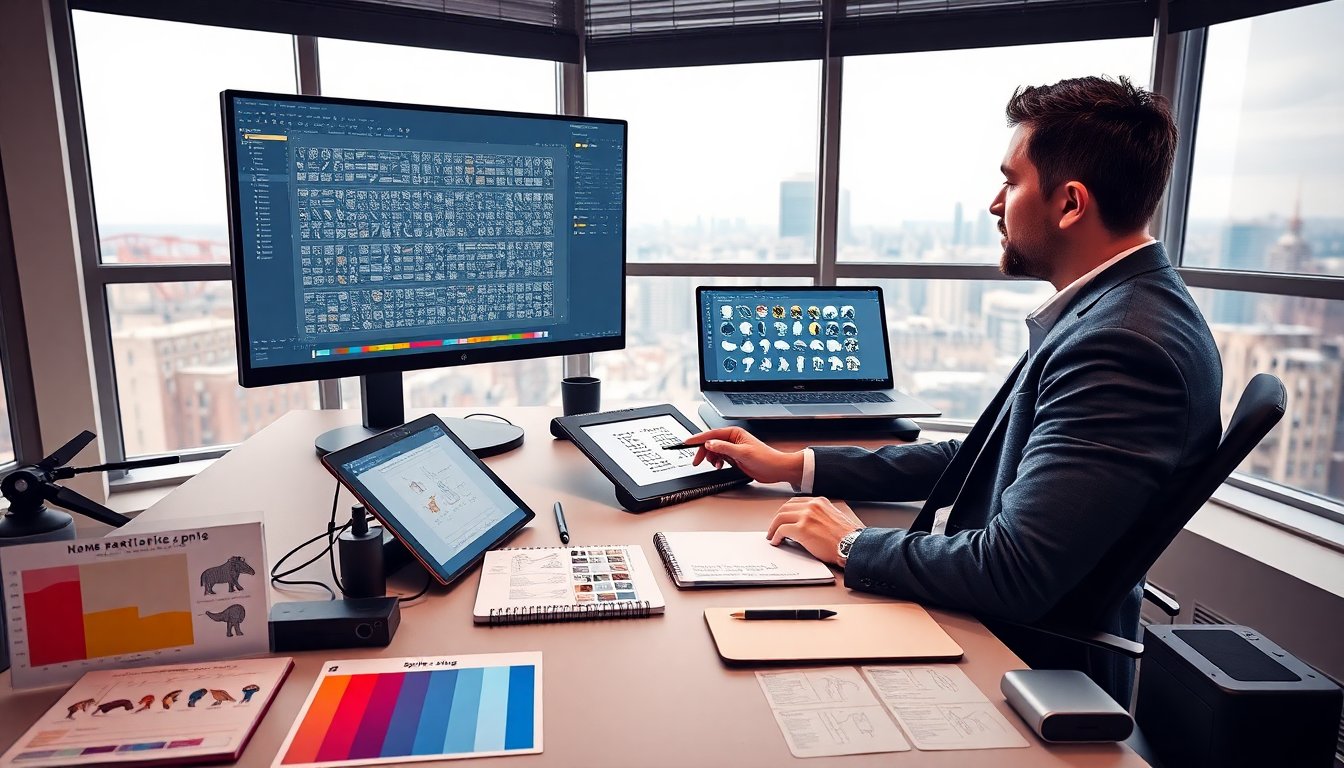
Pixel art cool serves as a clear prompt for artists who want retro looks with modern polish. The artist can learn simple rules to tighten shape, color, and animation. This guide gives nine practical tips that focus on tool choice, palette work, and motion. The reader will get direct steps they can apply to projects and game assets.
Key Takeaways
- Pixel art cool blends classic retro style with modern clarity by focusing on crisp shapes, bold contrast, and readable small details.
- Choosing the right pixel editor and setting the correct canvas size and palette early ensures clean, professional pixel art workflows.
- Limiting color palettes and using stepped shading enhances form clarity and prevents muddy colors in pixel art cool designs.
- Techniques like selective anti-aliasing, appropriate dithering, and clean one-pixel outlines keep pixel art visually sharp without losing its pixelated charm.
- Effective pixel art cool animation relies on planning key poses, short frame sequences, and exporting frames properly for smooth and readable movement.
- Engaging with pixel art cool easy communities, studying classic and modern games, and seeking feedback accelerates skill development and inspires fresh pixel art cool creations.
What Makes Pixel Art ‘Cool’ Today
Pixel art cool looks fresh when it mixes classic limits with modern clarity. Artists value crisp silhouettes, bold contrast, and small readable details. Players notice clear shapes first. Color and frame timing follow. Trends favor art that reads at small sizes and still shows craft when zoomed. Artists who add subtle modern techniques keep the retro vibe while avoiding noise. Games that balance readable icons with tasteful detail feel intentional. The result feels both nostalgic and new.
Essential Tools, Canvas Sizes, And Workflow Setup
The artist should pick a simple pixel editor first. A common choice gives layers, a grid, and palette control. The artist should set canvas sizes to match final use. Icons often use 16×16 or 32×32. Characters often use 32×48, 48×48, or 64×64. The artist should lock the palette early. The artist should use crisp zoom steps and disable interpolation. The artist should export PNGs with nearest-neighbor to keep hard edges. For workflow, the artist should keep a master file and smaller export files for builds. They should test sprites at real screen sizes often.
Color, Palette Selection, And Shading Techniques
The artist should limit the palette to force clear choices. A small palette helps the artist craft distinct forms. The artist should pick a base color, a shadow, and one or two highlights per object. The artist should keep hue shifts subtle to avoid muddy color. The artist should use value contrast to separate planes and guide the eye. The artist should test palettes under different backgrounds. The artist should keep the palette consistent across related assets. The artist should avoid excessive gradients and favor stepped shading for clarity.
Key Pixel Techniques: Anti-Aliasing, Dithering, And Clean Lines
Anti-aliasing smooths curves without blurring the whole sprite. The artist should place intermediate pixels between dark and light edges. The artist should use single-pixel AA sparingly to keep the pixel feel. Dithering simulates midtones with a checker or pattern. The artist should choose dithering patterns that match texture scale. The artist should avoid high-density dithering on small sprites. Clean lines help read shapes at small sizes. The artist should avoid stepping the line unnecessarily and should use one-pixel-wide outlines when needed. The artist should break outlines at joints to imply form rather than enclosing everything.
Animating Pixel Art: Timing, Frames, And Export Best Practices
The artist should plan key poses first. The artist should keep animations short and readable. A walk cycle can use 6 to 12 frames depending on frame size. The artist should test timing at target FPS. The artist should add anticipation and follow-through with very small pixel moves. The artist should avoid fractional-pixel motion during export. The artist should export frame sheets or GIFs for preview and PNG sequences for game engines. The artist should use indexes or sprite atlases for performance. The artist should store animation metadata separately to keep iteration fast.
Where To Learn, Share, And Find Inspiration (Assets, Communities, Tutorials)
They should study classic games and modern indies for reference. They should join pixel communities to get feedback and asset swaps. Forums and Discord channels give quick critique and file sharing. For inspiration, they should browse sprite showcases and pixel galleries. They should watch interviews that explain artistic choices in games. For example, a longform article on sports titles highlights visual trends and design choices that creators can adapt to movement and iconography in sprite work, as seen in a notable sports video games article. The artist should also use asset packs and open tiles to learn construction rules. They should post work regularly and they should request specific critiques to improve fast.






Discussion about this post