


While many businesses traditionally pursued formal funding rounds to scale projects, turning to the broader online public through crowdfunding has become a viable alternative. While not in the same sums as the funding rounds that bring in investment firms and the like, crowdfunding has become a reliable way to get projects backed and without losing ownership to an investor.
As crowdfunding has become more mainstream and diversified, the market has grown significantly in value. Already, it’s a multi-billion-dollar market that has a truly global appeal. Over the next five years, the market is expected to more than double its current size. How did crowdfunding evolve into a major market, and what factors continue to drive its growth?
A Classic Concept Pivoted
The public has long been keen on products that inspire people to come together as a kind of community, paying a relatively small amount for a grander reward to be created. Lotteries provide a long-standing example of collective funding models, with Ontario reporting over C$4.4 billion spent on lotteries in 2024. Everyone pays in, and the pot gets split among many based on a lucky draw afterwards. This has evolved further in recent years.
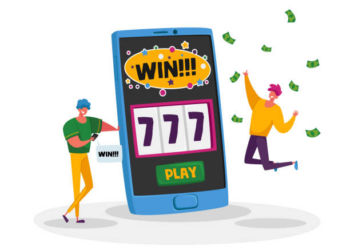
Online casino platforms apply a similar concept through jackpot machine games, where each spin contributes to an ever-growing prize pool. Everyone who spins one of the slots connected to a jackpot has a chance at randomly triggering the top prize. Each bet gets a small percentage added to the pot. So, everyone who wants a chance at the grand reward at the end is participating in the prize continually growing.
Funding through small public contributions demonstrates how collective efforts can generate significant outcomes. Crowdfunding takes this popular approach of community funding and adds a reward that, if successful, all participants can enjoy in some way. The hope for a project to be fulfilled is a big part of what has swelled the crowdfunding market size to $2.1 billion in 2024 and is set to grow it to $5.5 billion in 2030.
Creating “Guarantees” for Funders

The likes of Indiegogo, GoFundMe, Gamefound, Fundable, CrowdCube, and Kickstarter now headline the crowdfunding scene. While well-advertised projects using one of these platforms certainly helps to bring funders to them, there’s also a large audience just for the platforms themselves. People frequent these sites to back promising, exciting, and intriguing projects. On average, successful campaigns raise around $7,000 each.
A key factor behind the popularity of these platforms is the structured reward system for backers. A variety of backer rewards enables just about everyone who invests to get some kind of reward. An increase in funder protections, such as funds being returned if goals aren’t reached, have helped to grow trust in the process, too. From there, platforms have become very competitive.
Sites like Gamefound cater to their own, interest-free form of buy now, pay later, making it possible for funders to back more products at once and at higher ends of the tier lists. Innovations such as these are expected to support continued market growth. Some also see AI as playing a large role in its continued growth. While some suggest AI could assist in campaign creation, concerns about authenticity may limit its adoption.
Crowdfunding continues to grow in its appeal to the general public and businesses, and project leads looking to upscale their operations. Competition in the field helps this greatly, and going forward, this will only increase as some find ways of deploying new tech like AI in a way that enhances the experience for users.









Discussion about this post