


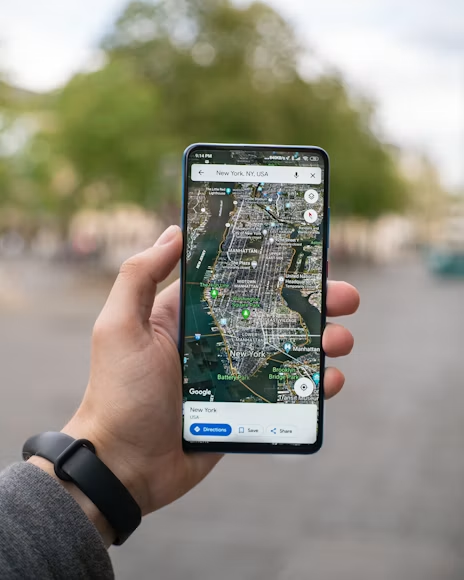
The way people travel has totally changed. Forget paper maps and chunky guidebooks; these days, everyone’s got a smartphone in hand. This big digital shift means travel and hospitality companies can’t just stop at having a website. A really good digital strategy is all about making the traveler’s experience connected, easy, and genuinely helpful, right from when they first dream of a trip until long after they’re back home. It’s about figuring out what they need and fixing problems before they even pop up. This kind of proactive thinking is super important in today’s fast-moving digital world, where AI-driven personalization is changing how businesses chat with customers and offer them exactly what they’re looking for.
For travel businesses, getting your digital presence right isn’t just a nice-to-have anymore – it’s crucial for staying afloat and growing. Modern travelers expect things to be convenient, personalized, and to get information instantly. If you don’t offer that, you risk losing customers to competitors who do. The trick is to look at the whole travel journey through a digital lens and find ways to make every single step better. This means understanding how travelers behave, linking up different services, and using technology to create truly personal interactions.
Mapping Digital Touchpoints for Travelers
Before you can make the traveler experience better, you’ve got to understand it inside and out. This means figuring out every single place a traveler interacts with your brand or service online. These “touchpoints” paint a full picture of what the customer goes through. This usually kicks off with general online searches, then moves through booking, getting ready for the trip, the journey itself, the stay, and even after the trip with things like reviews and social media posts.
Making a customer journey map is a really powerful exercise. It forces you to step into the traveler’s shoes and see your business from their side. For an airline, touchpoints might include the first flight search on a comparison site, booking on their own website, the confirmation email, a reminder to check in via an app before the flight, and then asking for feedback after landing. Each of these moments is a chance to either make the customer happy or totally frustrate them. Mapping these interactions helps you spot where things might be going wrong. For example, your data might show that lots of people ditch the booking process when they get to payment, which probably means there’s a problem with how easy it is to use that needs fixing.
Seamless Integration of Travel Services
One of the biggest headaches for travelers is juggling all the separate bits of a trip. A single vacation can mean booking flights, hotels, ground transport, tours, and activities all separately. This fragmentation makes everything complicated and annoying. A smart digital strategy aims to fix this by bringing different services together into one smooth platform. This doesn’t mean one company has to offer absolutely everything, but rather that different services should just work well together.
Imagine a traveler arriving by train in a big city, hours before they can check into their hotel. They’re stuck: either drag their luggage around or waste precious time going to the hotel just to drop it off. A truly connected system would solve this problem right away. For instance, a train operator’s mobile app could let you book secure luggage storage at Euston station directly as soon as you arrive. This small convenience gets rid of a major pain point, turning a frustrating situation into a smooth and positive experience. That’s the magic of a thoughtful digital engagement map that links what travelers need with practical solutions. By using APIs and teaming up with others, travel companies can build systems that offer complete solutions and add a lot of value.
Personalization Through AI-Driven Platforms
Those generic, one-size-fits-all travel experiences are quickly becoming a thing of the past. Today’s travelers expect deals and suggestions that are perfectly matched to what they like and what they’ve done before. This is where artificial intelligence (AI) and machine learning really shine. These technologies can look at tons of data to understand what individual customers prefer and then deliver super personalized content and services.
According to Boston Consulting Group, AI is transforming the travel industry by allowing a whole new level of customization. For example, an online travel agency can use AI to suggest destinations not just based on what you’ve searched for, but also on the style of hotels you’ve booked before or the kinds of activities you’ve shown interest in. A hotel chain could use AI to remember a guest prefers a room away from the elevator or their favorite brand of sparkling water, and have it waiting for them when they arrive. This level of personalization makes customers feel seen and valued, which really builds loyalty. It also extends to specific groups; understanding cultural differences, for instance, is key to winning over Chinese travelers who have their own unique digital habits and expectations.
Optimizing Mobile for On-the-Go Travelers
For a traveler, their smartphone is like their lifeline. It’s their map, their ticket, their camera, and their personal assistant all rolled into one. So, any digital strategy in the travel world absolutely has to be mobile-first. This means more than just having a website that looks okay on a smaller screen. It means designing the whole digital experience with the mobile user in mind, focusing on speed, simplicity, and features that know where you are. A clunky, slow, or confusing mobile app can actually be worse than not having one at all.
A good mobile strategy focuses on giving users practical tools they can use on the go. Some key features include:
Think about a cruise line’s app that lets a passenger not only see their itinerary but also book shore excursions, make dinner reservations, and even unlock their cabin door. This turns the smartphone into a powerful control center for their entire vacation, bringing everything together and making it way more convenient.
Ultimately, a strong digital strategy isn’t just about using technology for the sake of it. It’s about using technology to be more human, to anticipate what people need, solve their problems, and create genuinely positive and memorable experiences for every traveler. The companies that nail this will be the ones shaping the future of travel.











Discussion about this post