


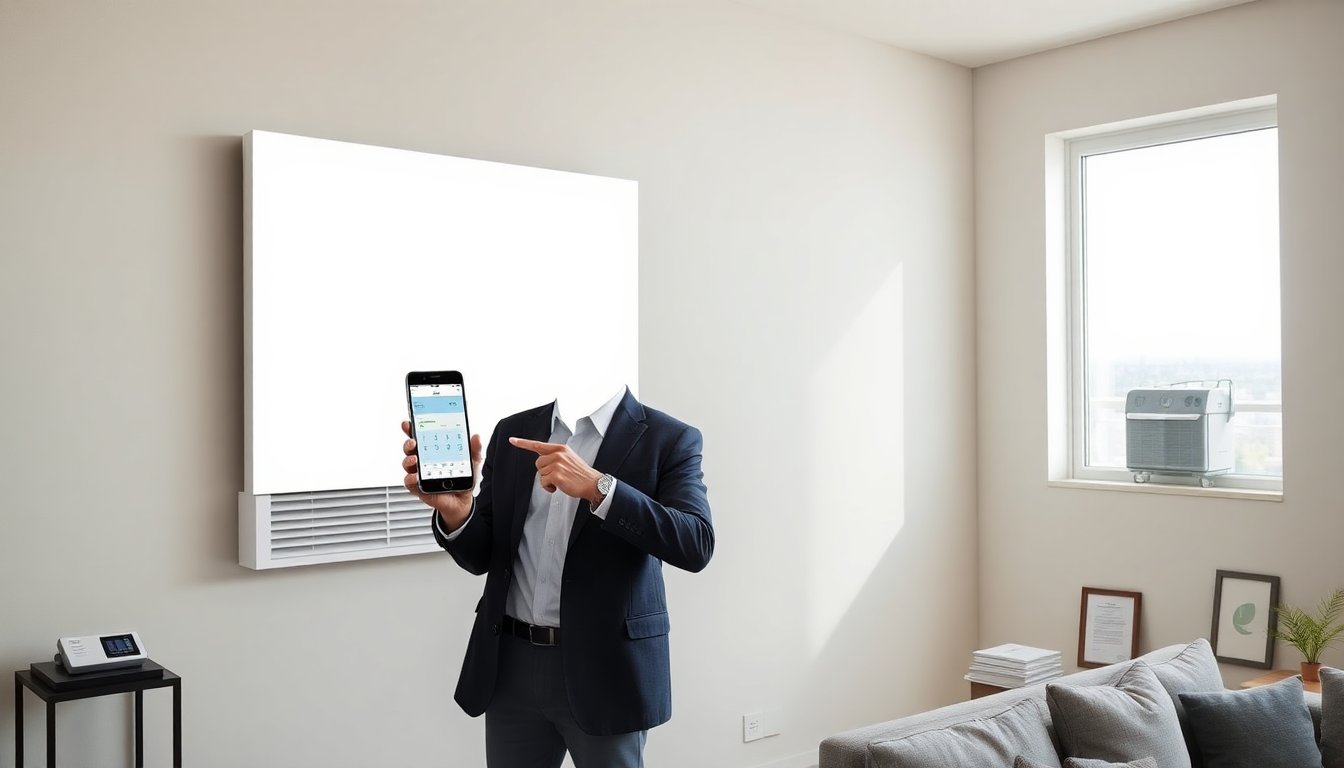
LG Art Cool Mini Split delivers efficient cooling with a gallery-style indoor unit. The unit cools rooms, saves energy, and reduces noise. Homeowners choose it for living rooms, studios, and offices where style matters. The system pairs with smart controls and runs on modern inverter compressors. It fits owners who want quiet performance and a low-profile look without sacrificing efficiency.
Key Takeaways
- The LG Art Cool Mini Split combines efficient cooling with stylish, gallery-inspired indoor panels that fit well in living rooms, studios, and offices.
- Inverter technology enables precise temperature control and energy savings by adjusting lg mini split art cool compressor speed and reducing noise during operation.
- Installation is minimally invasive, requiring only a small hole for piping and wiring, making it less disruptive than central HVAC ductwork.
- Smart controls and multi-zone capability allow users to customize cooling schedules remotely, lowering energy costs and enhancing convenience.
- Routine maintenance includes filter cleaning and seasonal coil checks to maintain efficiency and prolong system life.
- Warranty coverage varies by model, with typical parts and compressor warranties ranging from 5 to 10 years, so confirm details before purchase.
What The LG Art Cool Mini Split Is And Who It’s Best For
The LG Art Cool Mini Split is a wall-mounted ductless air conditioner. It cools individual rooms and uses an outdoor condenser and an indoor panel. Designers make the indoor panel to look like framed art. Buyers choose it for living rooms, bedrooms, home offices, and small retail spaces.
The unit uses inverter technology to adjust compressor speed. The variable speed lowers power use during steady-state operation. The system also offers quiet indoor operation. Homeowners with open-plan spaces value lower noise and zoned control.
Installers fit the unit with a 3/4-inch refrigerant line and electrical feed. The installer runs a small hole through the wall for piping and wiring. That setup keeps disruption low compared with central HVAC ductwork.
The LG Art Cool Mini Split fits owners who want a visible, attractive indoor unit. It fits people who want room-by-room control and better energy performance than window units. It also fits those who want easy remote control and app features. Buyers who need whole-house cooling still prefer central systems. But those who want selective cooling find the LG Art Cool Mini Split a strong option.
Performance, Energy Efficiency, And Design Highlights
The LG Art Cool Mini Split delivers precise temperature control. The system measures room temperature and adjusts output quickly. Sensors reduce overshoot and keep temperatures stable. The unit typically reaches setpoint faster than portable coolers.
LG rates many mini splits with high SEER values. Higher SEER means lower energy per cooling output. Owners report utility savings when they replace older window units or baseboard systems. The inverter compressor helps maintain steady power draw. That feature lowers peak demand and reduces monthly bills.
The indoor panels come in several finishes and frames. They allow the panel to double as a decor element. The panels sit flush on the wall and hide vents behind a narrow grille. Designers appreciate the clean lines and the option for custom faceplates.
The system pairs with smart thermostats and smartphone apps. Users set schedules, change modes, and check run-time remotely. That connectivity helps owners shift run times to lower-tariff hours. Shifting run times reduces monthly operating costs.
The unit also supports multi-zone setups. A single outdoor condenser can serve two or more indoor panels in many models. Multi-zone setups let owners cool high-use rooms while leaving low-use rooms off. That approach further reduces energy use.
Some venues apply advanced technologies to improve fan and heat exchange control. Sports venues and media operations explore AI-driven features for better fan experience. For an example of a sporting-media use of AI to enhance fan services, see the Sports AI experience link.
Installation, Maintenance, And Estimated Ownership Costs
A certified HVAC technician handles installation. The technician mounts the indoor panel, places the outdoor condenser, and runs refrigerant lines. Typical installs for a single zone take 3 to 6 hours for a straightforward wall. Complex installs with long line runs take longer and cost more.
Parts costs vary by model and finish. Basic indoor panels cost less than designer faceplates. Labor rates vary by region. Buyers should get three quotes to compare price and warranty terms. The installer should charge for leak testing and a vacuum pull before charging the refrigerant.
Maintenance is simple. Owners clean or replace filters every 1 to 3 months. They check outdoor coils and clear debris each season. A yearly service visit includes checking refrigerant charge, testing safety controls, and inspecting electrical connections. Proper maintenance preserves efficiency and extends life.
Estimated ownership costs include electricity, occasional repairs, and filter replacements. Electricity cost depends on local rates and usage hours. Many owners see lower monthly bills compared with window units when they run the mini split only in occupied zones. Owners who live near large venues with retractable roofs can study how shading and roof design affect cooling loads: for an example of retractable roof systems, review the retractable roof system reference.
Warranty coverage varies by model. LG commonly offers parts and compressor warranties that range from 5 to 10 years on select components. Buyers should confirm warranty length and required registration with the installer before purchase.










Discussion about this post