


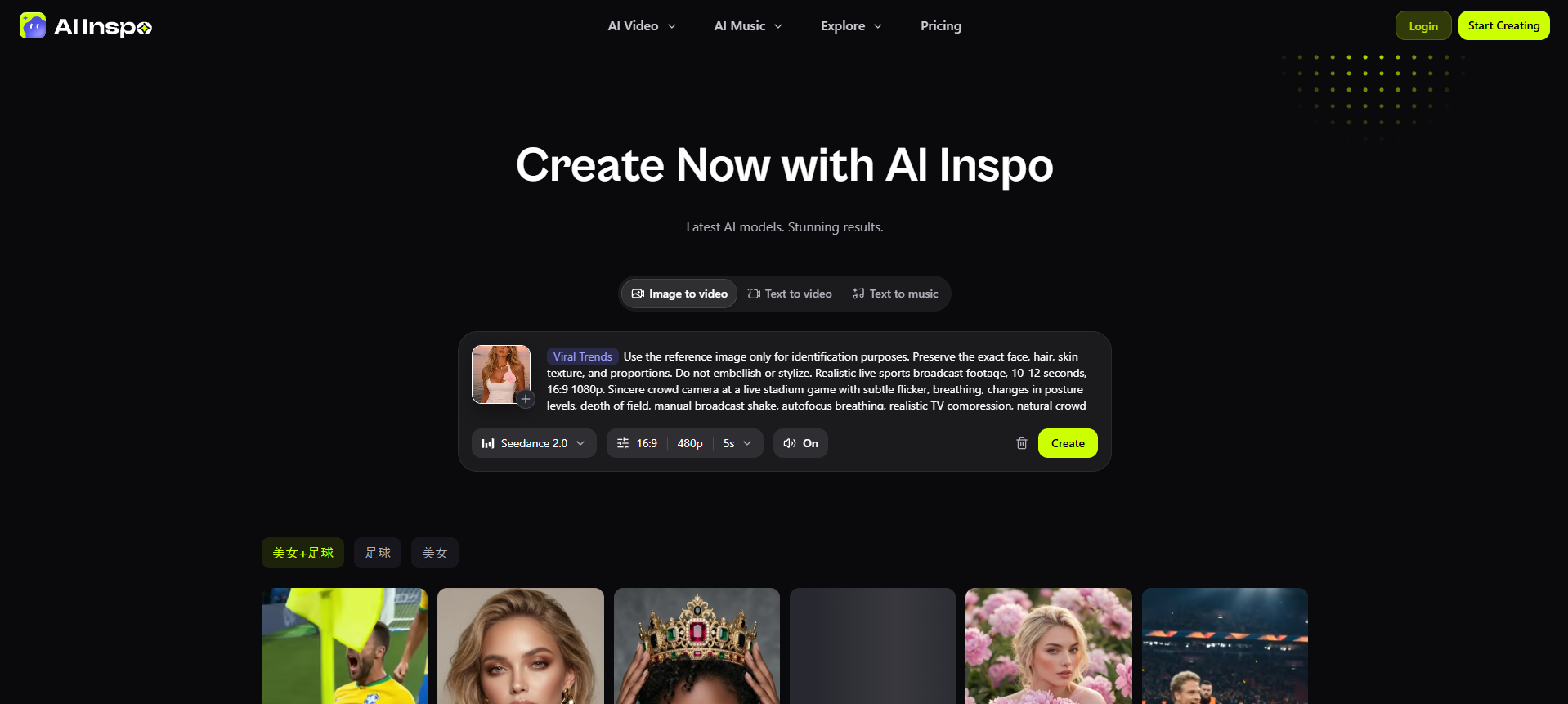
Content marketing has always been a balancing act between quality, speed, and budget. For years, marketers faced a difficult choice: invest heavily in professional video production or settle for less engaging content formats. In 2026, that equation has changed dramatically.
Artificial intelligence is no longer an experimental technology in marketing. AI-powered video generation has become a mainstream content production solution, helping brands create more videos, test more ideas, and reach audiences faster than ever before. According to Animoto’s 2026 State of Video Report, 84% of marketers now use AI in their video creation process, making AI one of the most rapidly adopted technologies in modern marketing.
As competition for audience attention intensifies, AI video generation is reshaping how content teams operate, scale, and innovate.
Why Video Continues to Dominate Marketing
Video remains one of the most effective content formats available. HubSpot’s latest marketing data shows that video-based content generates some of the highest returns on investment among all marketing channels, with short-form video consistently ranking as the top ROI-driving content format.
This dominance is not surprising. Video combines storytelling, visuals, audio, and emotion in a way that text alone cannot match. Consumers increasingly expect video experiences across social media, websites, email campaigns, and product pages.
However, traditional video production comes with significant challenges:
- High production costs
- Long turnaround times
- Dependence on specialized talent
- Limited scalability
These limitations often prevent brands from producing content at the speed modern digital marketing requires.
The Rise of AI Video Generation
AI video tools have evolved rapidly over the past three years. What began as simple text-to-video experiments has become a sophisticated ecosystem capable of generating marketing videos, social media clips, product demonstrations, and localized campaigns.
Today’s marketers can use platforms such as Vidu Q3 Pro to transform simple prompts into high-quality video assets within minutes rather than days. This shift is fundamentally changing content workflows across organizations of all sizes.
Industry research indicates that monthly users of AI video platforms surpassed 124 million in 2026, while AI-generated video adoption has crossed the mainstream threshold among marketing teams worldwide.
More importantly, marketers are no longer asking whether AI-generated videos are usable. They are asking how quickly they can integrate AI into their content operations.
Faster Production, Greater Output
One of the most significant advantages of AI video generation is speed.
A traditional marketing video often requires:
- Creative briefing
- Script development
- Filming
- Editing
- Revisions
- Publishing
Depending on complexity, the process can take days or even weeks.
AI dramatically compresses this timeline. Recent industry reports suggest that a 60-second marketing video that previously required nearly two weeks to produce can now be generated in under 30 minutes using AI-assisted workflows.
For content teams, this means:
- More campaign variations
- Faster response to trends
- Increased publishing frequency
- Greater content experimentation
Instead of producing a few videos per month, marketing teams can now create dozens.
AI Is Reducing Content Creation Costs
Cost reduction is another major factor driving adoption.
Video production has historically been one of the most expensive forms of content marketing. Hiring videographers, editors, actors, and production crews often placed high-quality video beyond the reach of smaller businesses.
Recent AI video market research estimates that production costs have fallen by more than 90% compared with traditional workflows. Some use cases have experienced even larger reductions.
This democratization of video production has opened new opportunities for:
- Startups
- SaaS companies
- E-commerce brands
- Independent creators
- Small marketing teams
Organizations that previously lacked video budgets can now compete with much larger brands.
Short-Form Video Is Becoming the Default
The growth of AI video generation aligns perfectly with another major marketing trend: the rise of short-form video.
HubSpot’s 2026 marketing research identifies short-form video as both the most widely used content format and the highest ROI-producing content type among marketers.
Platforms such as:
- TikTok
- Instagram Reels
- YouTube Shorts
- LinkedIn Video
have transformed audience expectations.
Consumers increasingly prefer concise, visually engaging content that can be consumed in less than a minute. AI video generation enables marketers to produce these assets at scale without overwhelming internal teams.
As a result, brands can maintain a consistent presence across multiple platforms while adapting content for different audiences.
Personalization at Scale
Perhaps the most transformative aspect of AI video generation is personalization.
Traditional video campaigns often require separate production efforts for different regions, languages, or customer segments. AI changes this dynamic entirely.
Marketers can now generate multiple versions of the same campaign, including:
- Different languages
- Regional messaging
- Audience-specific offers
- Personalized creative variations
This level of customization was previously too expensive for most organizations.
As AI models continue improving, personalized video experiences are becoming accessible not only to enterprise brands but also to small and medium-sized businesses.
AI-Powered Creative Testing
Marketing success increasingly depends on experimentation.
Historically, producing multiple video variations was costly and time-consuming. Consequently, many brands tested only a handful of creative concepts before launching campaigns.
AI video generation enables teams to create and test numerous versions of the same advertisement.
According to marketing practitioners discussing AI-driven campaign workflows, teams are now producing dozens of video variants in the time it once took to create a single ad. This allows marketers to identify winning creative elements faster and optimize campaigns using real performance data rather than assumptions.
The result is more efficient advertising spend and stronger campaign performance.
Challenges Marketers Must Address
Despite its advantages, AI video generation is not without risks.
Animoto’s 2026 report found that while AI adoption is widespread, 99% of marketers believe maintaining brand personality remains essential. AI can accelerate production, but it cannot fully replace strategic thinking and authentic storytelling.
There is also growing concern about audience trust. Research indicates that many consumers can identify AI-generated content, and some report reduced trust when brands rely too heavily on synthetic media.
Successful marketers therefore treat AI as an enhancement rather than a replacement for human creativity.
The most effective approach combines:
- Human strategy
- Brand expertise
- AI-powered production
- Data-driven optimization
The Future of AI Video Marketing
AI video generation is rapidly becoming a core component of modern content marketing infrastructure.
Market forecasts suggest the AI video generator industry will continue growing at a strong pace throughout the next decade as adoption expands across advertising, e-commerce, education, and media sectors.
Future developments are likely to include:
- Real-time video generation
- Fully automated content pipelines
- Hyper-personalized campaigns
- Native audio generation
- Advanced multilingual localization
For marketers, the competitive advantage will not come from simply using AI. It will come from using AI strategically to amplify creativity, improve efficiency, and deliver more relevant experiences to customers.
Conclusion
The transformation of content marketing in 2026 is being driven by one powerful reality: video is more important than ever, and AI makes video creation dramatically more accessible.
From reducing production costs and accelerating workflows to enabling personalization and large-scale testing, AI video generation is changing how brands create and distribute content.
Organizations that embrace this shift can produce more content, reach more audiences, and adapt more quickly to changing market demands. As AI technology continues to evolve, video marketing will become faster, smarter, and increasingly personalized—making it one of the most important investments content marketers can make in the years ahead.









Discussion about this post