

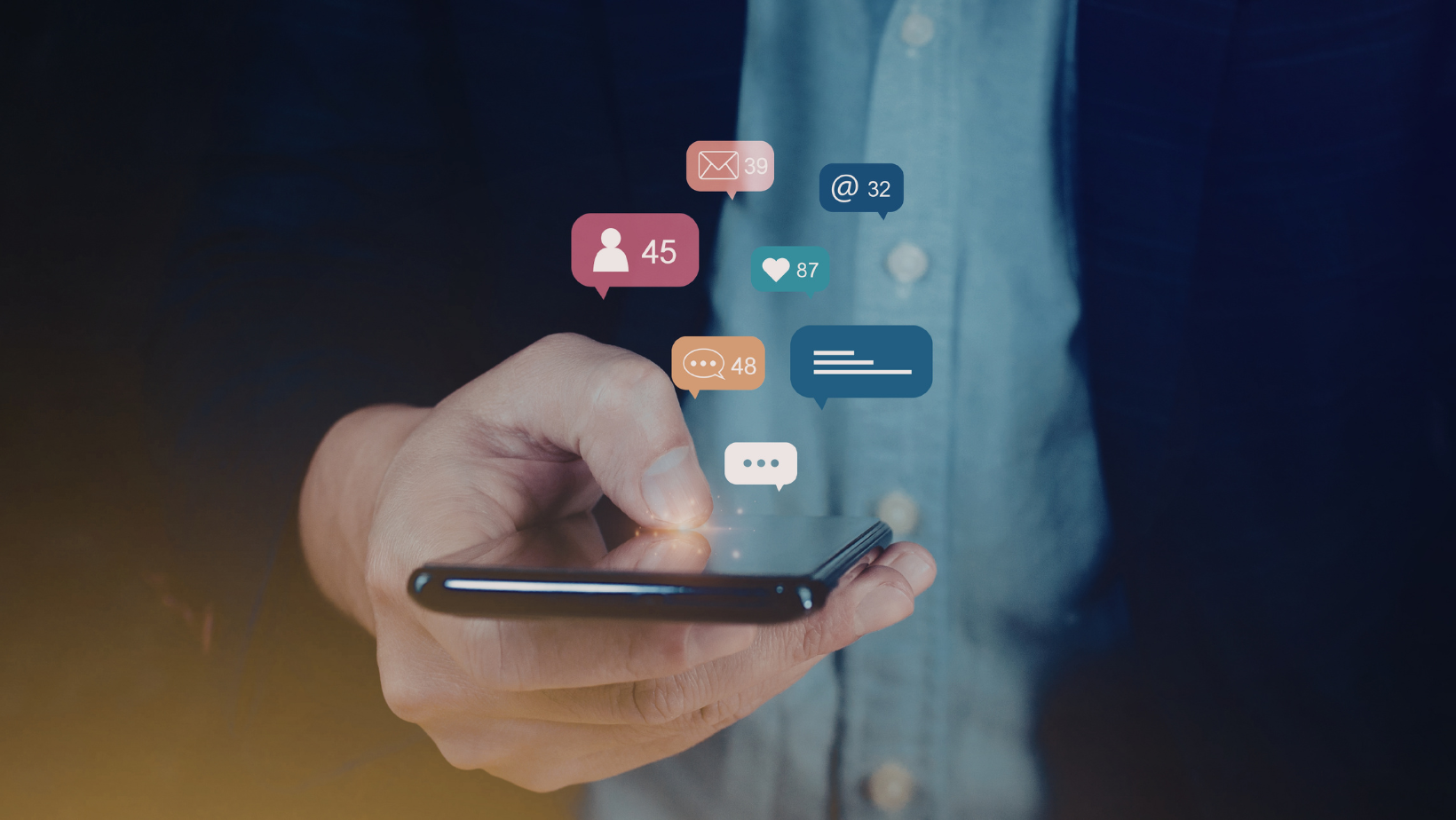
We’ve all felt it: a phantom buzz in our pocket even when our phone is across the room. This “ghost vibration syndrome” reveals how deeply devices have moved into our mental space. These days, social media isn’t just a tool; it’s an environment that keeps us tethered to a constant string of alerts, leaving our brains in permanent “standby” mode.
Our minds aren’t built for this relentless noise. Always waiting for the next ping keeps stress levels high and makes true relaxation impossible. These interruptions aren’t just minor annoyances; they shatter our ability to think deeply or reflect.
By understanding these digital effects, we can finally cut the string, silence the noise, and reclaim our peace of mind.
Why Your Brain Loves the “Ping”
Science explains why ignoring notifications is nearly impossible. Each “like” or ping triggers a dopamine burst, the same chemical reward found in winning a prize. Because alerts are unpredictable, your brain treats your phone like a slot machine, keeping you stuck in a “reward trap.”
This distraction has a high cost: after checking a single notification, it takes the brain roughly 23 minutes to return to deep focus. Constant checking creates a state of permanent distraction.
To break this cycle, many use self-reflection apps to look inward rather than outward. By prioritizing personal goals over digital noise, we retrain our brains to find satisfaction in focus, eventually reclaiming our attention from the endless pull of the screen.
The Problem with Comparing Our Lives
Social media reshapes our self-image by bombarding us with “highlight reels”—curated snapshots of perfection that omit the messy reality of daily life. When we compare our private struggles to these polished images, we engage in “social snacking,” consuming content that looks satisfying but leaves us feeling inadequate and empty.
This comparison culture fuels a constant fear of missing out (FOMO), creating pressure to stay “always-on” to keep up with every trend. Consequently, we begin performing for our screens rather than living authentically.
This digital performance leads to a strange paradox: we are more “connected” than ever, yet feel increasingly lonely. True connection requires being fully present, which is only possible when we stop measuring our worth against a filtered screen.
How Your Phone Affects Your Body and Mind
The mental strain of digital overload eventually shows up in our bodies. Jumping between apps and responding to constant alerts is exhausting for the brain. By the end of the day, many of us feel “fried,” a type of digital fatigue that makes it hard to even hold a conversation.
This constant multitasking prevents us from entering a “flow state”—that wonderful feeling where you are so involved in what you are doing that time seems to disappear. Without that focus, we lose the satisfaction of actually finishing a task.
Our phones also steal our rest. Late-night scrolling exposes our eyes to “blue light,” which tells our brains it is still daytime. This stops the production of melatonin, the hormone that helps us sleep. The result is the “tired but wired” phenomenon, where you feel exhausted but your brain is too stimulated to shut down.
When we don’t sleep well, our ability to manage our emotions drops, making us even more vulnerable to the stress of social media the next day. It is a cycle that leaves both our minds and our bodies depleted.

Taking Your Power Back
Reclaiming your focus doesn’t mean you have to delete every app or throw away your phone. It means setting boundaries so that you are the one in charge. Simple tricks, like turning off all notifications except for those from real people, can instantly lower your stress. You can also try “intentional friction,” like moving your most distracting apps off your home screen or putting your phone in grayscale mode. When the screen isn’t bright and colorful, it becomes much less addictive.
It is also important to remember that real-world interaction is much more rewarding for your brain than digital likes. Calling a friend for a five-minute chat or meeting for coffee provides a level of emotional support that a hundred comments on a post never could.
We also need to get comfortable with silence again. Now, many people are practicing “slow media”—choosing to read a physical book or go for a walk without their phone. These moments of quiet are where we find our best ideas and our truest selves.
You Are in Charge
Your phone is a powerful tool, but it should be something you use to improve your life, not something that controls your every thought. The “ping” in your pocket is just a suggestion, not a command. By turning down the digital noise, you give yourself the gift of attention. You regain the ability to focus on your work, connect deeply with your friends, and listen to your own inner voice.
The big takeaway is that true self-discovery and peace of mind can only happen when we step away from the screen. Technology will always be there, but your time and your focus are limited. When you decide to stop scrolling and start living in the present, you take back your power.
You are the boss of your digital life, and when you quiet the noise, you finally give yourself the space to grow.









Discussion about this post