



The global herbal tea market was valued at $3.6 billion in 2023 and is forecast to reach $5.9 billion by 2030, according to Grand View Research. That growth is not driven by trends. It is driven by a measurable shift in how people manage daily health, sleep, stress, and digestion without reaching for pharmaceutical options first.
Herbal teas sit at the intersection of accessibility and evidence. Most cost under a pound per cup. Several have clinical trial data behind them. The five below are ranked by the quality of their evidence, how consistently people report benefits, and how practical they are to use in 2026.
1. CBD Flower Tea
CBD flower tea is made by steeping dried hemp flowers in hot water, often combined with a fat source such as coconut oil or whole milk to improve cannabinoid absorption. The result is a mild, earthy brew that delivers cannabidiol through a slower and more gradual absorption route than tinctures or capsules. That slower onset makes it well-suited to an evening wind-down routine or a low-stimulation morning start.
CBD (cannabidiol) interacts with the endocannabinoid system, a network of receptors throughout the body that regulates mood, sleep, inflammation, and the stress response. In the UK, CBD is legal as a food supplement when it meets FSA novel food authorisation requirements. The legal THC limit for finished CBD products is 1mg per container. CBD flower in the UK occupies a legally complex position and buyers should verify current FSA guidance before purchasing. The FSA recommends no more than 10mg of CBD per day for healthy adults.
“The endocannabinoid system plays a central role in regulating physiological and cognitive processes. Compounds like CBD that modulate this system have legitimate potential as wellness interventions.”
Dr. Ethan Russo, neurologist and senior medical advisor, International Cannabis and Cannabinoids Institute
A 2019 study published in The Permanente Journal found that 66.7% of participants reported improved sleep scores after one month of CBD use, with anxiety scores improving in 79.2% of participants. For a herbal tea drinker looking for measurable results, those are substantial figures compared to most teas on this list.
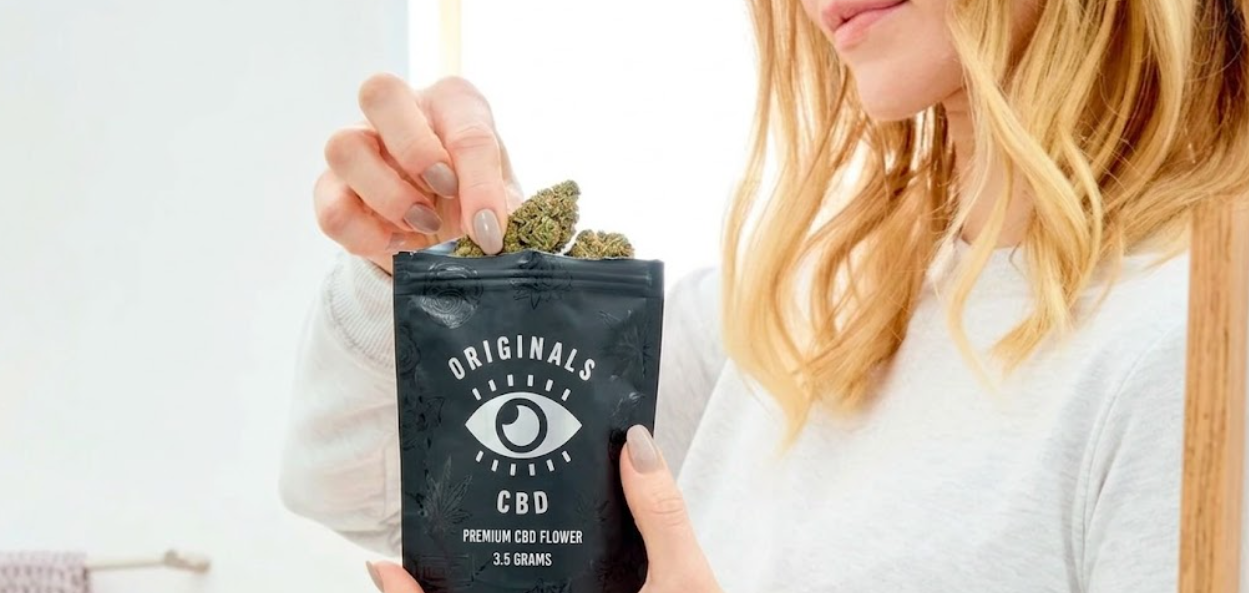
CBD flower tea made by premium cbd flowers delivers lower and more variable CBD concentrations than standardised products, which is why source quality matters more here than with any other tea on this list. Look for products with batch-specific certificates of analysis covering cannabinoids, THC content, pesticides, heavy metals, and microbiological safety. EU-approved hemp cultivars with traceable sourcing are the standard to hold suppliers to. The Food Standards Agency (food.gov.uk) and the Centre for Medicinal Cannabis (thecmcuk.org) are the two most reliable UK references for current legal and dosage guidance.
2. Ashwagandha Tea
Ashwagandha (Withania somnifera) has been a fixture in Ayurvedic medicine for over 3,000 years. In the past decade, it has accumulated enough clinical trial data to move it from traditional remedy to evidence-supported adaptogen. A double-blind, placebo-controlled trial published in Medicine in 2019 gave participants 240mg of ashwagandha root extract daily for 60 days. Cortisol levels fell by an average of 23%. Perceived stress scores dropped significantly. Sleep quality improved.
“Ashwagandha root extract significantly reduced stress and anxiety, and improved sleep quality and mental alertness on rising in the morning. The safety profile was good throughout.”
Dr. Jaysing Salve, lead researcher, Asha Hospital, published in Medicine (2019)
As a tea, ashwagandha has a strong, slightly bitter earthiness that pairs well with honey and ginger. Most commercial ashwagandha teas blend it with other herbs to balance the flavour. The effective dose in trials is typically 240 to 600mg of root extract, which is higher than what a standard tea bag delivers. Users seeking the cortisol-reduction benefits reported in trials are better served by a standardised extract supplement alongside the tea, rather than relying on the brew alone for therapeutic effect.
That said, as a daily ritual that supports sleep and decompression at the end of the day, ashwagandha tea earns its place. The act of making and drinking it is itself part of the regulation it supports.
3. Chamomile Tea
Chamomile is the most widely consumed herbal tea in the world, with an estimated one million cups drunk daily. Its reputation as a sleep and anxiety aid has been tested in clinical settings with consistent results. A 2017 study published in Phytomedicine by researchers at the University of Michigan followed 93 participants with generalised anxiety disorder over 26 weeks. Those taking chamomile extract showed significantly lower rates of anxiety relapse than the placebo group after discontinuation, suggesting a sustained rather than purely acute effect.
The active compound is apigenin, a flavonoid that binds to benzodiazepine receptors in the brain and produces a mild sedative effect without the dependency risks associated with pharmaceutical alternatives. A standard cup of chamomile tea delivers roughly 1 to 3mg of apigenin depending on steeping time and flower quality.
Chamomile is best used as a pre-sleep tea consumed 30 to 45 minutes before bed. It pairs well with lemon balm, which has its own evidence base for reducing sleep latency. It is the lowest-risk, most evidence-supported relaxation tea available at any price point.
4. Green Tea and Matcha
Green tea and its concentrated form, matcha, contain two compounds that work together in a way no other herbal tea replicates: caffeine and L-theanine. Caffeine increases alertness and processing speed. L-theanine modulates the stimulating effects of caffeine by promoting alpha brainwave activity, producing a state researchers describe as alert relaxation. The ratio in green tea and matcha is approximately 1:2 caffeine to L-theanine.
A 2008 study in Biological Psychology found that the combination of caffeine and L-theanine significantly improved accuracy on a demanding cognitive task and reduced susceptibility to distracting information compared to either compound alone. The effect is distinct from the jittery alertness that coffee produces and more sustained than caffeine without the amino acid.
Matcha delivers roughly three times the L-theanine of standard green tea and five times the antioxidant concentration. The EGCG (epigallocatechin gallate) content in matcha has separate evidence behind it for cardiovascular health and reduced inflammatory markers. One cup of matcha per day is a straightforward daily health decision for most adults under 200mg caffeine total daily intake.
5. Ginger Tea
Ginger (Zingiber officinale) is the most clinically researched digestive herb on the market. Its active compounds, gingerols and shogaols, reduce nausea, improve gastric motility, and lower markers of systemic inflammation. A 2014 meta-analysis in the British Journal of Anaesthesia reviewed five randomised controlled trials and found ginger significantly more effective than placebo for reducing nausea across multiple clinical settings.
Beyond digestion, ginger has a growing evidence base for anti-inflammatory effects. A 2015 review in the International Journal of Preventive Medicine concluded that gingerol compounds suppress pro-inflammatory cytokines through multiple pathways, with effects comparable to low-dose NSAIDs in some inflammatory markers. Unlike NSAIDs, ginger does not carry gastrointestinal side-effect risks at standard dietary doses.
Fresh ginger tea, made by steeping 5 to 10 grams of sliced root in boiling water for 10 minutes, delivers a higher concentration of active compounds than most commercial tea bags. Add lemon and honey to balance the heat. Drink it in the morning to support digestion throughout the day or after a meal when gastric discomfort is most likely.
The Takeaway
These five teas work across different systems and timeframes. CBD flower tea and chamomile support sleep and stress regulation. Ashwagandha works on cortisol over weeks of consistent use. Matcha delivers an immediate cognitive edge without the crash of coffee. Ginger addresses digestive health and inflammation daily. If you drink two or three of them regularly, you are covering sleep, stress, focus, and gut health with nothing more than hot water and dried plant material. Start with chamomile tonight and ginger tomorrow morning. Add CBD flower tea once you have sourced a product with verified third-party testing. Build from there.
Sources: Food Standards Agency (food.gov.uk) | Centre for Medicinal Cannabis (thecmcuk.org) | Grand View Research, Herbal Tea Market Report (2023) | The Permanente Journal, CBD Anxiety & Sleep Study (2019) | Medicine, Salve et al., Ashwagandha RCT (2019) | Phytomedicine, Chamomile and GAD, University of Michigan (2017) | Biological Psychology, L-Theanine and Caffeine Cognitive Study (2008) | British Journal of Anaesthesia, Ginger Meta-Analysis (2014) | International Journal of Preventive Medicine, Gingerol Anti-Inflammatory Review (2015)
Nothing in this article constitutes medical or legal advice.




Discussion about this post